

Why HubSpot SEO Marketing Software Matters for Search Visibility
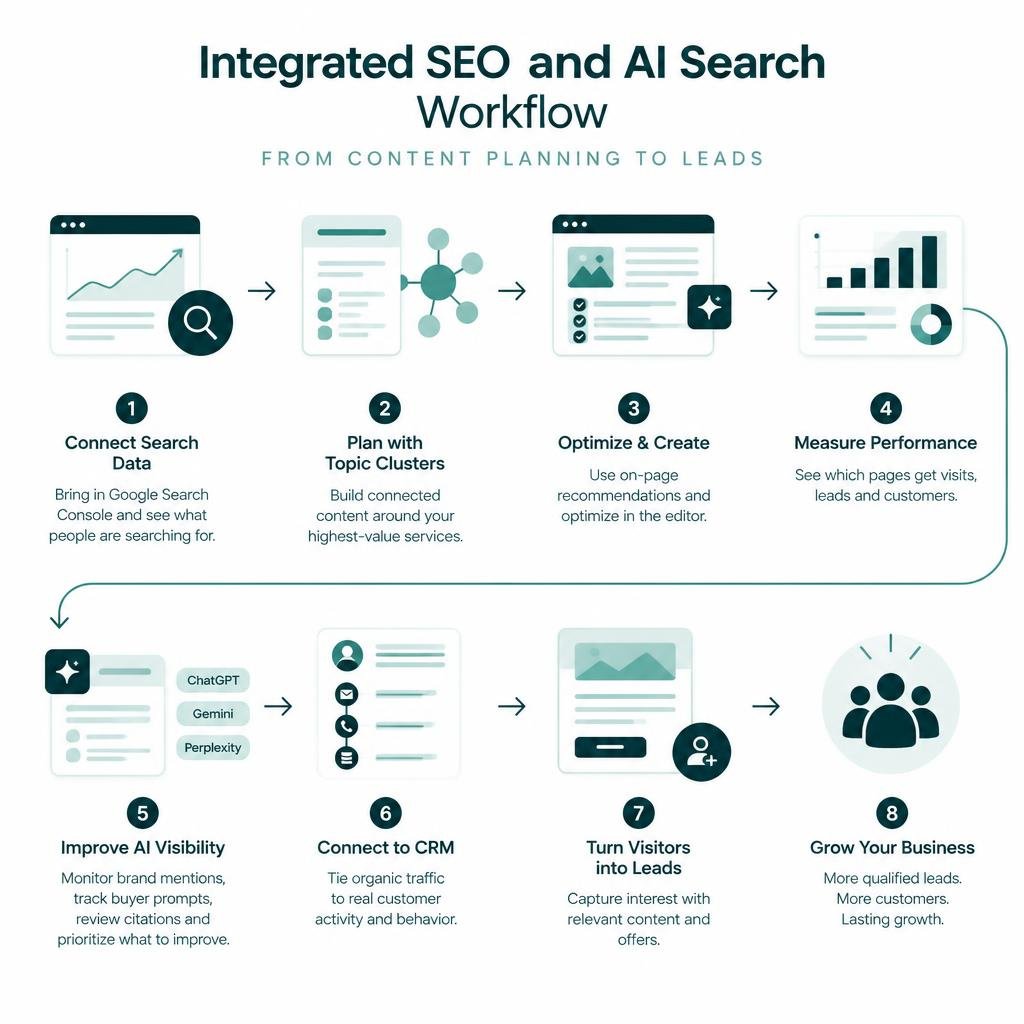
HubSpot SEO marketing software helps teams improve organic visibility by turning SEO data into clear actions inside the same platform they use for content, campaigns, and customer data. Start by connecting Google Search Console, building topic clusters around your highest-value services, and fixing HubSpot’s prioritized on-page recommendations. Then use reporting to see which pages generate visits, leads, and customers.
Unlike a standalone SEO platform, HubSpot connects search performance to the rest of your marketing work. Content teams can optimize pages in the editor, marketers can plan related content around a core topic, and brand owners can tie organic traffic back to CRM activity and conversion results.
Search is also no longer limited to a page of Google results. AI tools such as ChatGPT, Gemini, and Perplexity increasingly shape how people research brands. HubSpot’s Answer Engine Optimization, or AEO, tools help marketers monitor brand mentions, track important buyer prompts, study citations, and prioritize improvements for AI search visibility.
Relevant articles related to HubSpot SEO marketing software:
- hubspot lead generation
- hubspot customer segmentation
- digital marketing excellence planning optimizing and integrating online marketing
Core Capabilities of HubSpot SEO Marketing Software

When we look at organic search management, the biggest hurdle for growth teams is often tool fragmentation. Marketers pull spreadsheets from technical crawlers, cross-reference keyword rankings in a third-party dashboard, and manually paste those findings into their content management systems. This disconnected process slows down publishing and introduces errors.
The core power of HubSpot’s toolset lies in removing that friction. By choosing to optimize your content with SEO tools directly inside the platform where you write, publish, and analyze campaigns, your team unifies strategy and execution. Rather than treating search optimization as an isolated technical chore, HubSpot weaves actionable SEO guidance directly into the content creation interface.
The platform integrates directly with Google Search Console, automatically pulling real-world impressions, average search positions, and click-through rates into your daily reports. This integration allows writers and editors to review live search metrics without leaving their publishing workflow, making iterative optimization straightforward and data-backed.
How HubSpot SEO Marketing Software Drives Topic Cluster Strategy
Search engines evaluate authority based on topical depth rather than isolated keyword instances. HubSpot’s content strategy tool helps teams organize pages into structured topic clusters. You start with a broad pillar page covering a core subject and link it to detailed supporting subtopic assets.
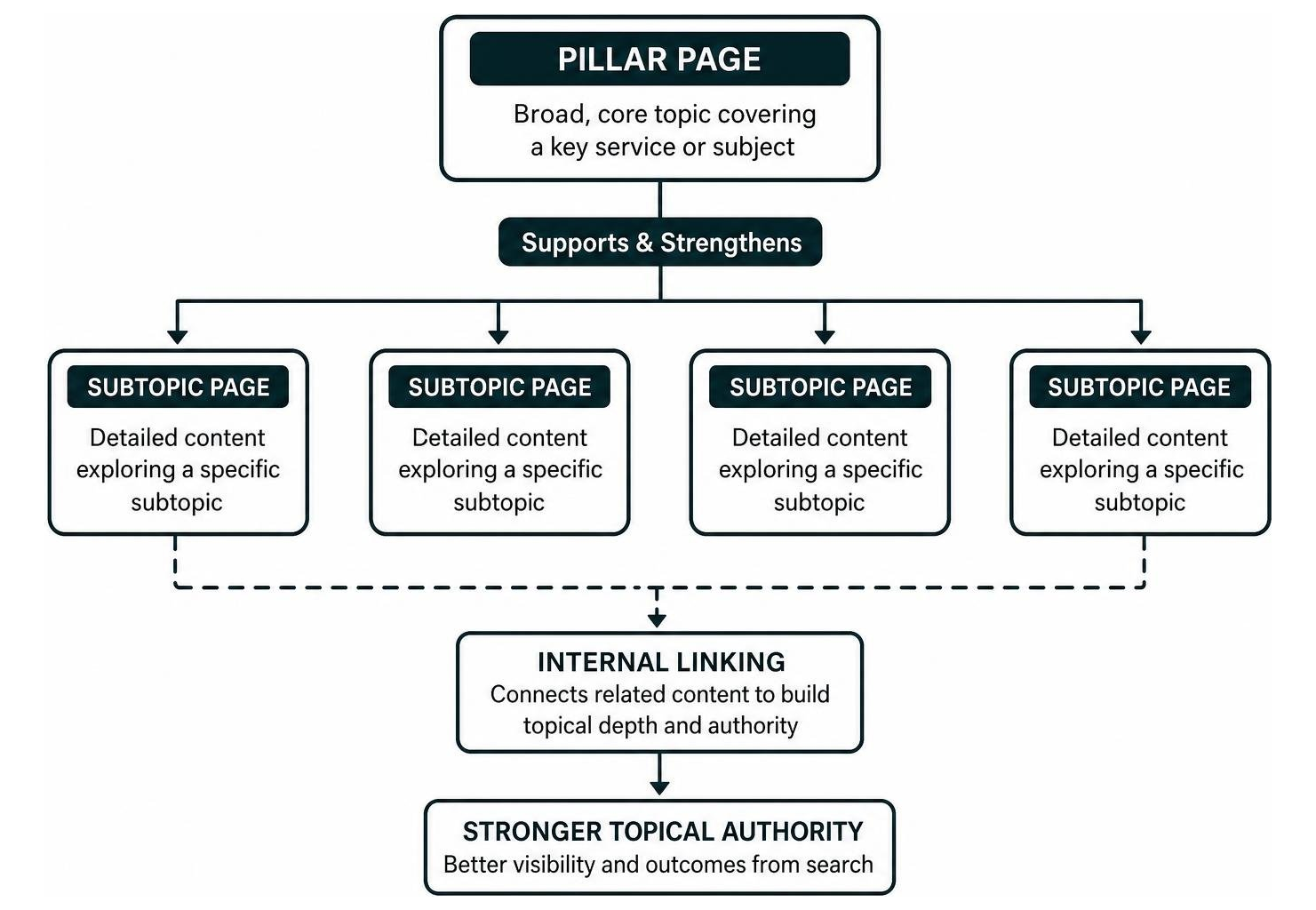
This visual structure helps search engine bots crawl your site architecture efficiently while guiding human readers through logical learning paths. When analyzing campaign results, decoding HubSpot traffic sources makes it easy to see how individual cluster assets contribute to overall organic traffic, conversions, and pipeline velocity.
Prioritizing Technical and On-Page Recommendations
Technical debt can quickly undermine great content. HubSpot runs continuous background scans across your connected domains, flagging missing metadata, broken links, non-descriptive anchor text, slow-loading assets, and unoptimized header tags.
Instead of presenting an overwhelming list of hundreds of errors, the system categorizes issues by estimated impact. Marketers can focus their energy where it matters most by viewing actionable SEO recommendations in HubSpot. The built-in Breeze AI assistant further speeds up execution by suggesting contextual copy improvements, title tag variations, and meta descriptions that align with search intent.
Expanding Beyond Traditional Search with Answer Engine Optimization (AEO)
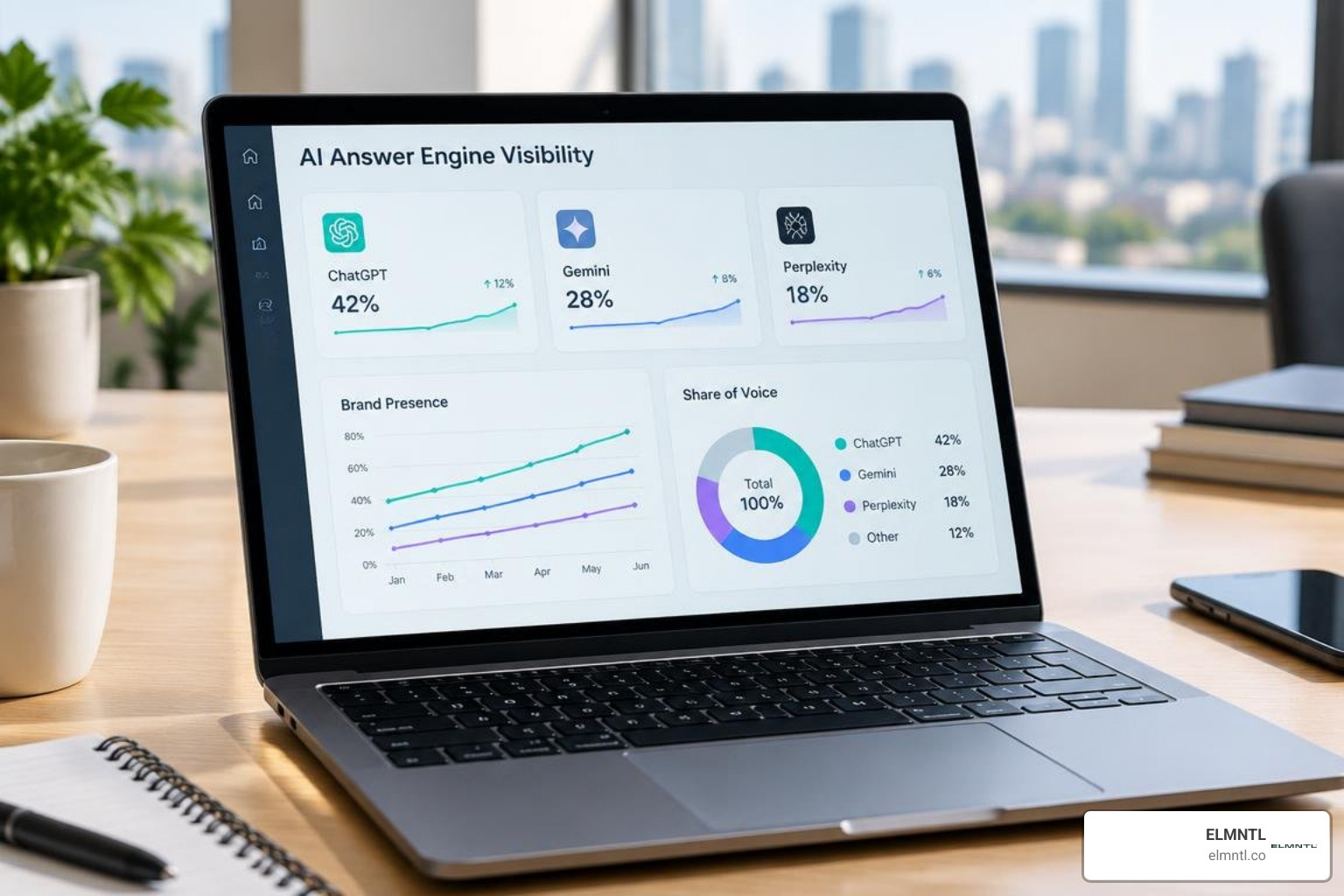
The search landscape in 2026 extends far beyond traditional blue links. Prospective buyers frequently consult conversational AI platforms such as ChatGPT, Gemini, and Perplexity to compare services and research software vendors.
To maintain visibility across these conversational interfaces, modern brands must implement Answer Engine Optimization alongside traditional SEO. Exploring the HubSpot AEO platform features gives marketing teams the tools required to track brand presence, monitor market share of voice, and understand how artificial intelligence models perceive and summarize their products.
Prompt Tracking and Citation Analysis
AEO centers around tracking the specific conversational prompts your prospective buyers use when querying AI assistants. HubSpot AEO enables teams to track core prompts across multiple large language models, evaluating whether their brand is mentioned, how competitors are positioned, and the overall sentiment of the AI’s generated response.
Citation analysis is a vital part of this toolset. It pinpoints the exact external URLs, directory listings, media articles, and reference pages that AI engines pull from when constructing their answers. By identifying which third-party publications inform AI responses, your team can build targeted outreach and PR strategies to secure presence on the sources that matter most.
Comparing Free Graders to Paid Ecosystem Features
HubSpot offers both free diagnostic utilities and comprehensive paid suites to accommodate teams at different stages of their digital maturity.
Free diagnostic tools like HubSpot Website Grader evaluate foundational website health across performance, mobile responsiveness, baseline SEO, and security. Similarly, the free AI Search Grader offers a snapshot of brand prominence and sentiment across select AI platforms.
For continuous monitoring, automated prompt tracking, and direct CMS implementation, upgrading to dedicated paid plans provides deeper capabilities.
| Feature / Capability | Free Website & AI Graders | Standalone HubSpot AEO | Marketing Hub Pro & Enterprise |
|---|---|---|---|
| Primary Focus | Point-in-time diagnostic scans | Dedicated AI search tracking | Full inbound SEO and AEO suite |
| Prompt Tracking Capacity | Single-scan overview | 25 tracked prompts | Expanded prompt monitoring |
| Search Engines Covered | Google baseline / Select AI | ChatGPT, Gemini, Perplexity | Google, ChatGPT, Gemini, Perplexity |
| CRM Data Integration | None | Limited | Full CRM closed-loop attribution |
| Actionable In-Editor Fixes | Manual guidance | Exportable recommendations | Live Breeze AI and CMS integration |
Connecting Organic Search with Inbound Marketing and CRM Workflows
Standalone SEO software often stops at reporting keyword rankings and organic sessions. While helpful, traffic numbers alone do not demonstrate return on investment to leadership. HubSpot bridges this gap by unifying search data with customer relationship management workflows.
When organic visitors land on your website, their interactions are tracked through forms, live chats, and content downloads. By pairing search optimization with the ultimate guide to HubSpot lead generation, marketing teams can trace every contact record, deal stage, and closed customer back to the original organic search query and landing page that brought them to the site.
Maximizing ROI with HubSpot SEO Marketing Software in Modern Workflows
Achieving strong organic results requires continuous alignment between content creation and campaign performance. Incorporating search data when mastering campaigns in HubSpot allows teams to assess how organic assets support cross-channel initiatives alongside email automation, paid social, and direct outreach.
According to verified research from the 2026 marketing statistics and performance data, organizations that integrate their search data directly with CRM-driven marketing automation experience significantly higher visibility and lead capture efficiency compared to teams managing disjointed point solutions.
Aligning Audience Segmentation with Organic Content Performance
Not all search traffic carries the same intent. Some users are looking for basic definitions, while others are ready to evaluate platforms and book sales consultations.
By utilizing the art of HubSpot customer segmentation, growth teams can trigger customized follow-up workflows based on the specific topic cluster an organic visitor consumed. For instance, a lead entering your ecosystem through a technical implementation guide can be enrolled in an advanced product workflow, while a visitor reading an introductory trends overview receives higher-level educational nurture content.
Frequently Asked Questions About HubSpot SEO Tools
What is the difference between standalone SEO tools and HubSpot’s SEO platform?
Standalone SEO platforms excel at deep, large-scale technical auditing, historical backlink database exploration, and competitive keyword gap analysis across millions of queries. However, they operate in isolation from your publishing environment and customer records.
HubSpot’s SEO software focuses on workflow efficiency and revenue attribution. It embeds real-time optimization guidance directly within the content editor, synchronizes with Google Search Console data, organizes topics visually, and connects search traffic to deals won in your CRM.
How does HubSpot help brands optimize for AI search engines?
HubSpot provides dedicated AEO capabilities designed to track brand visibility across conversational answer engines including ChatGPT, Gemini, and Perplexity.
The software monitors prompt queries, measures your share of voice against competitors, analyzes sentiment, and performs citation analysis to identify the web sources AI engines cite most frequently. Internal case data highlights that brands actively optimizing for conversational answer engines grew leads from AI channels by 1,850% using structured AEO workflows.
What pricing plans include HubSpot SEO and AEO capabilities?
HubSpot provides several tiers based on business requirements:
- Free Diagnostic Tools: Tools such as Website Grader and AI Search Grader offer quick health checks and high-level brand visibility scores at no cost.
- Marketing Hub Starter: Includes foundational on-page SEO recommendations, Google Search Console integration, and content optimization inside the editor.
- Marketing Hub Professional & Enterprise: Delivers advanced topic cluster planning, custom reporting dashboards, team workflow automation, Breeze AI content assistants, and integrated AEO features.
- Standalone HubSpot AEO: Available for $50 per month (or $45 per month billed annually), providing dedicated tracking for 25 buyer prompts across leading AI search models without requiring website migration.
Conclusion
The search ecosystem continues to evolve at a rapid pace. Succeeding in modern organic marketing requires balancing technical crawl health, strategic topic authority on traditional engines, and clear visibility across emerging conversational AI platforms.
By unifying on-page optimization, topic cluster planning, CRM lead tracking, and answer engine monitoring within one centralized platform, growth teams can build sustainable organic momentum. To learn more about unifying your search, brand, and digital initiatives into a cohesive growth engine, explore our comprehensive integrated marketing strategies for data-driven guidance and execution.